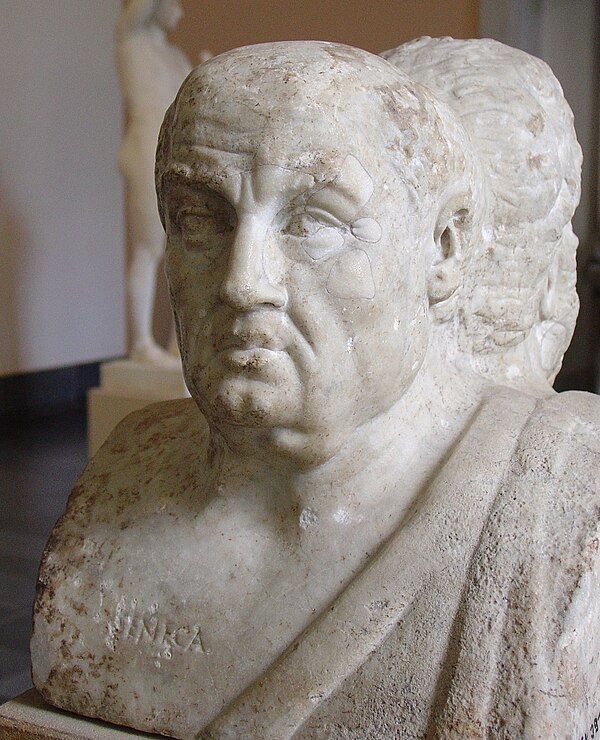
The Wisdom of Reason: Navigating Life's Choices
In the words of Seneca, "Choose the more reasonable course in everything," we are invited to embrace discernment as a guiding principle in our lives. This call to reason is not merely an intellectual exercise; it is a profound invitation to cultivate clarity and wisdom in our decision-making processes. In a world rife with distractions and competing desires, the ability to choose wisely becomes a cornerstone of a meaningful existence. The stakes are high, as our choices shape not only our personal journeys but also the impact we have on those around us.
Seneca's exhortation resonates deeply within the Stoic tradition, which emphasizes the importance of rationality and virtue. By advocating for a reasoned approach to life, Seneca encourages us to step back from the chaos and noise that often cloud our judgment. This practice of discernment is not a one-time event but a continuous journey, requiring us to engage with our thoughts and emotions thoughtfully. In doing so, we can navigate the complexities of life with greater ease and integrity, ultimately leading us toward a more fulfilling existence.
The image / the metaphor
At its core, Seneca's quote evokes a sense of clarity and purpose. The phrase "choose the more reasonable course" suggests an active engagement with our choices, as if we are standing at a crossroads, faced with divergent paths. The verb "choose" implies agency and responsibility, reminding us that we are not passive recipients of fate but active participants in shaping our destinies. The imagery conjured here is one of deliberation, where the mind weighs options and considers the consequences of each potential path.
Diving deeper into the metaphor, we can envision reason as a guiding light illuminating the way forward. In moments of uncertainty, this light can help us discern the shadows of fear, desire, and impulse that often cloud our judgment. The "more reasonable course" becomes a beacon, urging us to align our actions with our values and long-term goals. This metaphorical journey is not just about making choices; it is about cultivating a mindset that prioritizes wisdom over whim, fostering a deeper connection to our true selves.
In the speaker's tradition
Seneca's teachings are firmly rooted in the Stoic tradition, which emphasizes the cultivation of virtue through rational thought and ethical living. Central to Stoicism is the concept of "dharma," or the natural order of the universe, which invites individuals to align their actions with a greater purpose. In this context, choosing the more reasonable course reflects an understanding of one's place within the cosmos and the responsibilities that come with it. This alignment fosters a sense of harmony, both within oneself and in relation to the world.
Moreover, Seneca's emphasis on reason echoes the Buddhist concept of "prajna," or wisdom, which encourages practitioners to see beyond the surface of their experiences. Just as prajna invites us to discern the nature of reality, Seneca's call to reason urges us to look beyond immediate gratification and consider the long-term implications of our choices. In his "Letters," Seneca often reflects on the importance of self-examination and the need to cultivate a discerning mind, reminding us that wisdom is not merely an abstract ideal but a practical tool for navigating life's complexities.
Living the teaching
Consider a modern scenario where this teaching can be applied: a professional facing a career crossroads. Perhaps they are offered a lucrative job that promises immediate financial gain but conflicts with their values and long-term aspirations. In this moment, the choice becomes a test of discernment. By choosing the more reasonable course, the individual can reflect on their core values, weigh the potential consequences, and ultimately make a decision that aligns with their authentic self, rather than succumbing to the allure of short-term rewards.
In the realm of relationships, Seneca's wisdom can also illuminate our interactions with others. Imagine a situation where a friend has wronged you, and the impulse is to react with anger or resentment. Here, the practice of choosing the more reasonable course invites us to pause and reflect. Instead of allowing emotions to dictate our response, we can consider the long-term health of the relationship and the values of compassion and understanding. By doing so, we create space for healing and growth, both for ourselves and for those we care about.
A reflection
As we contemplate Seneca's call to "choose the more reasonable course in everything," we are invited to engage in a deeper inquiry about our own decision-making processes. What choices in your life currently require discernment? How might embracing reason as a guiding principle transform your approach to these situations? Reflecting on these questions can illuminate the path toward a more intentional and fulfilling life, grounded in the wisdom of our own experiences.




Join the BrightStar Community
Stay connected with daily inspiration, event announcements, and community wisdom