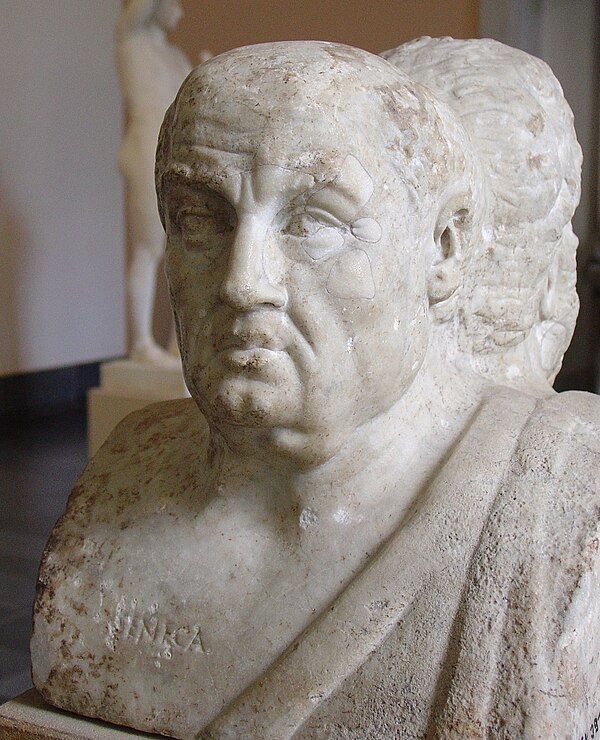
The Weight of What Was: Embracing the Present
Seneca's assertion that "It is impossible for any man to be happy if he is troubled by what would have been" invites us to reflect on the burdens of regret and the futility of dwelling on the past. In a world where the echoes of our choices can haunt our present, this wisdom serves as a reminder that happiness is intrinsically tied to our ability to accept what has transpired. The stakes are high; our emotional well-being hinges on our capacity to release the grip of bygone moments, allowing us to fully engage with the richness of the now.
To delve deeper, we must recognize that the past, while formative, is not a definitive blueprint for our happiness. Seneca's words challenge us to confront the tendency to ruminate on missed opportunities and imagined alternate realities. This contemplation is not merely an exercise in philosophical thought; it is a call to action, urging us to cultivate a mindset that prioritizes acceptance over regret. In doing so, we can unlock the door to genuine contentment, free from the shackles of what might have been.
The image / the metaphor
At the heart of Seneca's quote lies a vivid imagery of the mind as a battleground, where the specters of past decisions clash with the desire for present joy. The verb "troubled" evokes a sense of unrest, suggesting that the weight of regret can disrupt our inner peace. This turmoil is not merely an emotional state; it is a palpable force that can cloud our judgment and obscure the beauty of our current experiences. The metaphorical landscape Seneca paints is one where happiness is a fragile flower, unable to bloom amidst the thorns of past grievances.
In the speaker's tradition
Seneca's insights are deeply rooted in the Stoic tradition, which emphasizes the importance of accepting the things we cannot change. This philosophy resonates with concepts found in other spiritual traditions, such as the Buddhist notion of *sunyata*, or emptiness, which teaches that clinging to the past leads to suffering. Similarly, the Stoic practice of *amor fati*, or love of fate, encourages individuals to embrace their life circumstances, however challenging, as essential components of their journey. In this light, Seneca's wisdom becomes a universal truth, transcending cultural boundaries and inviting us to find peace in acceptance.
In his *Letters*, Seneca often reflects on the transient nature of life and the importance of living in accordance with nature. He writes, "We suffer more often in imagination than in reality," highlighting the futility of allowing our minds to dwell on what could have been. This sentiment echoes throughout Stoic texts, where the emphasis is placed on the present moment as the only realm in which we can exercise our agency. By grounding ourselves in the here and now, we can cultivate a sense of tranquility that is impervious to the distractions of the past.
Living the teaching
Consider a modern scenario where this teaching resonates profoundly: a professional who constantly reflects on a job opportunity they did not pursue. Each time they encounter a colleague who succeeded in that role, they are reminded of their choice, leading to feelings of inadequacy and regret. In this context, Seneca's wisdom serves as a powerful antidote. By consciously redirecting their focus to the present, they can appreciate their current achievements and the unique path they are forging, ultimately fostering a sense of fulfillment that transcends past decisions.
In relationships, the application of this teaching can be equally transformative. Imagine a couple who frequently revisits past arguments, allowing unresolved issues to overshadow their current interactions. By embracing Seneca's perspective, they can choose to acknowledge the past without allowing it to dictate their present happiness. This shift in mindset encourages open communication and a commitment to growth, enabling them to cultivate a deeper connection rooted in acceptance and understanding.
A reflection
As we contemplate Seneca's profound insight, we are invited to ask ourselves: What burdens from the past am I carrying that hinder my happiness today? This question encourages a deep introspection, prompting us to identify the regrets and "what ifs" that may be clouding our present experience. By engaging with this inquiry, we can begin the process of unburdening ourselves, allowing the light of acceptance to illuminate our path forward.



Join the BrightStar Community
Stay connected with daily inspiration, event announcements, and community wisdom