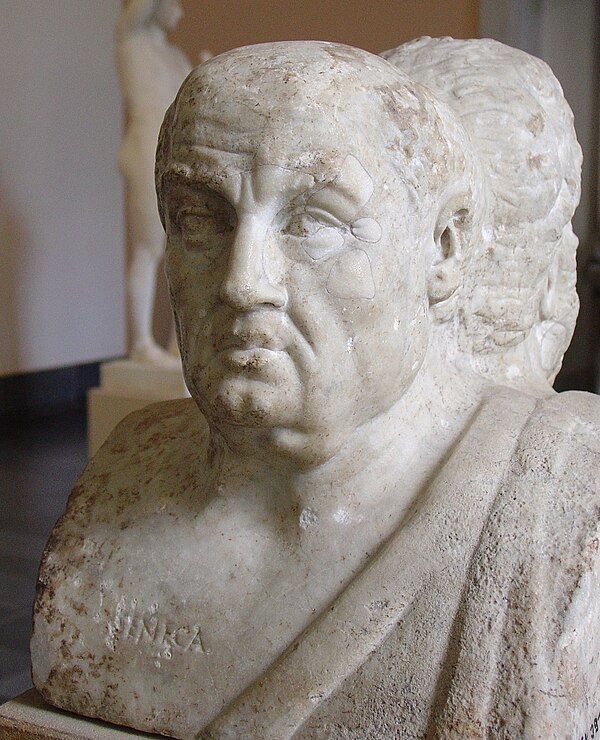
The Quality of Existence: A Stoic Reflection on Life's Tale
Seneca's poignant assertion, "As is a tale, so is life: not how long it is, but how good it is, is what matters," invites us to reconsider our relationship with time and existence. In a world often preoccupied with the accumulation of years, achievements, and accolades, this quote serves as a gentle reminder that the essence of life lies not in its duration but in its richness and depth. The stakes are high; a life measured solely by its length can lead to a hollow existence, devoid of meaning and fulfillment.
In our contemporary landscape, where the pursuit of success and longevity often overshadows the quest for genuine satisfaction, Seneca's wisdom resonates profoundly. It challenges us to reflect on the quality of our experiences, urging us to cultivate a life imbued with purpose, connection, and authenticity. This perspective invites us to engage with our lives more fully, to savor each moment, and to prioritize what truly matters over the relentless ticking of the clock.
The image / the metaphor
At first glance, Seneca's metaphor of life as a tale evokes the imagery of storytelling, where the narrative arc is defined not by its length but by its content. The verbs "is" and "matters" suggest a state of being that transcends mere existence; they compel us to evaluate the substance of our lives. Just as a compelling story captivates its audience through rich characters and profound themes, so too must our lives resonate with depth and meaning, inviting reflection and engagement.
Diving deeper into this metaphor, we recognize that tales are often marked by their emotional resonance and transformative power. A life well-lived, like a masterfully crafted story, is one that evokes joy, sorrow, growth, and wisdom. It is not the number of chapters that defines a tale's worth, but the richness of the experiences contained within those pages. In this light, Seneca encourages us to be the authors of our own narratives, crafting lives that reflect our values and aspirations.
In the speaker's tradition
Seneca's insights are deeply rooted in Stoic philosophy, which emphasizes the importance of virtue, wisdom, and the cultivation of a life aligned with nature and reason. Central to Stoicism is the concept of living in accordance with one's true nature, akin to the idea of dharma in Eastern traditions, where one's purpose is to fulfill their role in the cosmic order. This alignment fosters a sense of inner peace and fulfillment, allowing individuals to navigate life's challenges with grace and resilience.
In his work "Letters from a Stoic," Seneca elaborates on the importance of self-examination and the pursuit of wisdom, echoing the sentiments found in other Stoic texts such as Marcus Aurelius's "Meditations." Both philosophers emphasize the fleeting nature of life and the necessity of making each moment count. By reflecting on our actions and intentions, we can cultivate a life that is not only long but also rich in meaning and purpose.
Living the teaching
Consider a modern scenario where this teaching might resonate: a young professional caught in the relentless grind of corporate life. As they chase promotions and accolades, they may find themselves sacrificing personal relationships and self-care in the name of success. Seneca's wisdom serves as a wake-up call, prompting them to reassess their priorities and recognize that a fulfilling life is not measured by job titles but by the quality of their connections and the joy they derive from their passions.
In a different context, imagine a couple navigating the complexities of a long-term relationship. They may become so focused on the years spent together that they overlook the importance of nurturing their bond in the present. By embracing Seneca's perspective, they can shift their focus from the duration of their partnership to the depth of their shared experiences, fostering a relationship that thrives on love, understanding, and mutual growth.
A reflection
As we contemplate Seneca's profound observation, we are invited to ask ourselves: What does it mean to live a good life? In a world that often prioritizes quantity over quality, how can we cultivate experiences that resonate deeply within us? This question encourages us to reflect on our values, relationships, and the stories we are crafting with our lives, guiding us toward a more intentional and fulfilling existence.




Join the BrightStar Community
Stay connected with daily inspiration, event announcements, and community wisdom