Embracing Humility: The Wisdom of Play in Stoic Thought
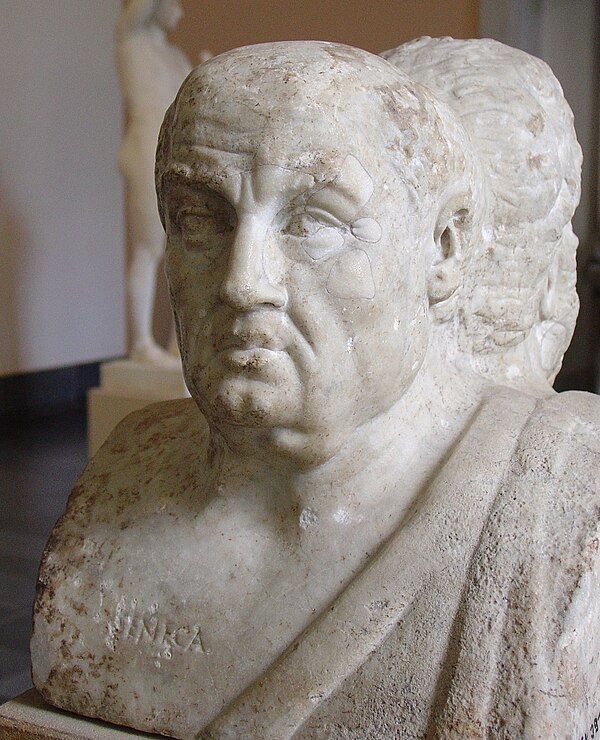
In the words of Seneca, "Sometimes you must give up the dignity of the man and act like the dog." This provocative statement invites us to reconsider our understanding of dignity and humility, suggesting that there are moments when shedding our self-imposed constraints can lead to deeper insights and connections. In a world that often equates dignity with seriousness and composure, Seneca's call to embrace a more playful, less dignified approach challenges us to find balance in our lives, reminding us that wisdom often lies in the unexpected.
To act like a dog, as Seneca suggests, is to embrace a state of being that prioritizes joy, spontaneity, and a certain rawness of experience. It is a reminder that life is not merely a series of dignified moments, but also a tapestry woven with laughter, playfulness, and the willingness to be vulnerable. This perspective is particularly relevant in our contemporary lives, where the pressures of societal expectations can lead us to adopt rigid personas that stifle our true selves. By allowing ourselves to be less dignified, we open the door to authenticity and connection, both with ourselves and with others.
The image / the metaphor
At first glance, the imagery of a dog evokes a sense of loyalty, playfulness, and unfiltered joy. Dogs are creatures that embody a certain freedom, often unencumbered by the weight of societal expectations. When Seneca speaks of giving up the dignity of man, he is inviting us to shed the burdens of pride and pretense, to embrace a more instinctual and genuine way of being. The verbs "give up" and "act" suggest a deliberate choice, a conscious decision to step away from the rigid confines of our self-image and engage with the world in a more playful manner.
Diving deeper into this metaphor, we can see that acting like a dog is not merely about abandoning dignity; it is about embracing a different kind of wisdom. Dogs live in the present moment, responding to their environment with curiosity and enthusiasm. They do not dwell on past mistakes or future anxieties but instead engage fully with the here and now. In this sense, Seneca's quote serves as a reminder that wisdom often requires us to let go of our ego and embrace a more instinctual, playful approach to life.
In the speaker's tradition
Seneca's philosophy is deeply rooted in Stoicism, a tradition that emphasizes the importance of virtue, reason, and emotional resilience. Within this framework, the concept of "dharma" from Eastern philosophies resonates, as both traditions encourage individuals to align with their true nature. The Stoic practice of "kenosis," or self-emptying, parallels Seneca's call to relinquish dignity, suggesting that true wisdom arises when we let go of our ego and embrace humility. This interplay between dignity and humility is a central theme in Stoic thought, urging us to find balance in our lives.
In his work "On Tranquility," Seneca explores the idea of achieving inner peace through the acceptance of life's impermanence and the relinquishing of rigid self-identities. This notion echoes the Buddhist concept of "sunyata," or emptiness, which teaches that clinging to fixed identities leads to suffering. By acting like a dog, we are invited to embrace the fluidity of existence, allowing ourselves to be shaped by our experiences rather than confined by our self-imposed dignities. This alignment with the natural flow of life is where true tranquility resides.
Living the teaching
Consider a modern scenario where this teaching might resonate: a workplace environment filled with competition and high expectations. In such a setting, individuals often feel pressured to maintain a facade of professionalism and composure, sacrificing their authenticity in the process. By allowing ourselves to "act like the dog," we can approach our work with a sense of playfulness, fostering collaboration and creativity rather than competition. This shift not only enhances our own experience but also creates a more supportive atmosphere for our colleagues.
In relationships, the application of Seneca's wisdom can be equally transformative. Imagine a moment of tension with a loved one, where pride and defensiveness threaten to escalate the conflict. By choosing to let go of our dignity and embrace vulnerability, we can approach the situation with openness and humor, diffusing the tension and fostering deeper connection. This willingness to act with humility and playfulness can lead to profound healing and understanding, reminding us that love often flourishes in the spaces where we allow ourselves to be imperfect.
A reflection
As we contemplate Seneca's invitation to give up our dignity and embrace a more playful existence, we might ask ourselves: In what areas of my life am I clinging too tightly to my self-image, and how might I benefit from a more playful approach? This question invites us to explore the balance between dignity and humility, encouraging us to find moments where we can let go of our rigid identities and engage with the world in a more authentic and joyful manner.



Join the BrightStar Community
Stay connected with daily inspiration, event announcements, and community wisdom