The Wisdom of Willingness
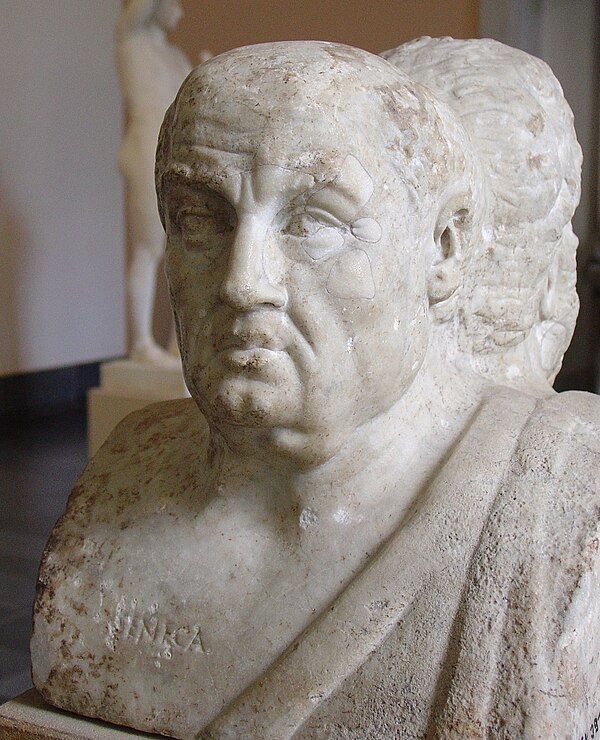
Seneca's assertion that "there is nothing the wise man does reluctantly" invites us to reflect on the nature of wisdom and the role of willingness in our actions. This quote suggests that true wisdom is not merely a collection of knowledge or intellectual prowess; rather, it is deeply intertwined with our readiness to engage with life fully and authentically. In a world often marked by hesitation and ambivalence, understanding this principle can illuminate our paths toward virtue and fulfillment.
At its core, Seneca's statement challenges us to examine the motivations behind our actions. Are we driven by obligation, fear, or external expectations, or do we act from a place of genuine willingness? This distinction is crucial, as it speaks to the heart of Stoic philosophy, which emphasizes the importance of aligning our actions with our values and inner truths. By cultivating a mindset of willingness, we not only enhance our own lives but also contribute positively to the lives of those around us.
The image / the metaphor
The imagery in Seneca's quote evokes a sense of fluidity and ease, contrasting sharply with the tension often felt in reluctant actions. The phrase "does reluctantly" suggests a struggle, a resistance that can weigh heavily on the spirit. In contrast, the wise man embodies a state of flow, moving through life with intention and grace. The verbs chosen here—"does" and "reluctantly"—highlight the difference between mere action and action infused with purpose and joy.
In the speaker's tradition
Seneca's insights are deeply rooted in Stoic philosophy, which emphasizes the cultivation of virtue as the highest good. In this tradition, the concept of willingness resonates with the idea of 'dharma' in Eastern philosophies, where one's duty is aligned with their true nature. Just as dharma encourages individuals to act in accordance with their intrinsic qualities, Seneca's wisdom urges us to engage with life from a place of authenticity and alignment with our values.
Moreover, Seneca's thoughts echo the Stoic practice of 'amor fati,' or love of fate, which encourages acceptance and embrace of life as it unfolds. This acceptance is not passive resignation but an active willingness to engage with our circumstances, transforming challenges into opportunities for growth. In his "Letters to Lucilius," Seneca often reflects on the importance of aligning our actions with our inner wisdom, reinforcing the notion that true wisdom is characterized by a harmonious relationship with our choices.
Living the teaching
Consider a modern scenario where this teaching can be applied: a professional facing a challenging project at work. If approached with reluctance, the individual may feel overwhelmed and disengaged, leading to subpar results and increased stress. However, if the same person chooses to embrace the project with willingness, recognizing it as an opportunity for growth and contribution, the experience transforms. This shift in mindset not only enhances the quality of work but also fosters a sense of fulfillment and purpose.
In the realm of relationships, the principle of willingness can be equally transformative. Imagine a couple navigating a difficult conversation. If one partner approaches the discussion reluctantly, it may lead to defensiveness and miscommunication. Conversely, if both partners engage with a willingness to understand and connect, the conversation can become a powerful opportunity for deepening their bond. This willingness to engage authentically allows for vulnerability and growth, reinforcing the idea that wisdom is not just about knowledge but about how we choose to relate to one another.
A reflection
As we contemplate Seneca's profound insight, we are invited to reflect on our own lives: In what areas do we act reluctantly, and how might this reluctance be holding us back? This question encourages us to explore the motivations behind our actions and to consider how embracing a mindset of willingness could transform our experiences. By examining our choices through this lens, we can cultivate a deeper understanding of ourselves and our relationship with the world around us.




Join the BrightStar Community
Stay connected with daily inspiration, event announcements, and community wisdom