Embracing Freedom Through the Acceptance of Mortality
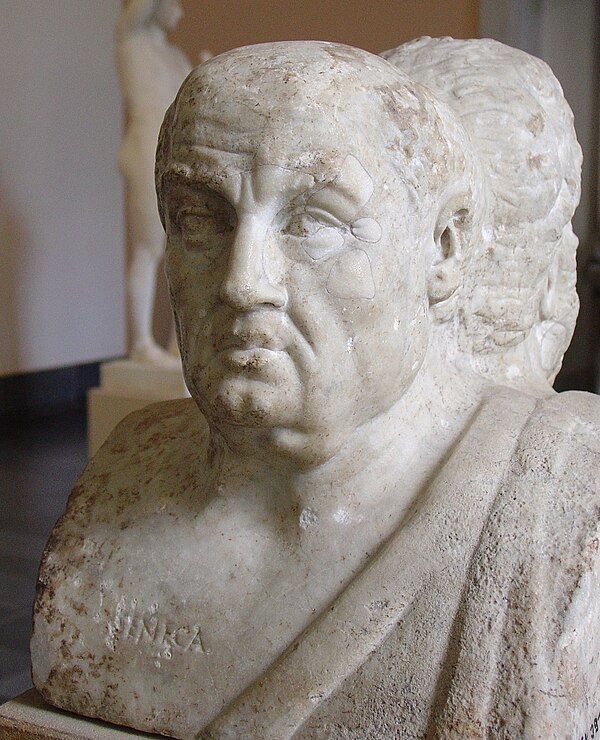
Seneca's assertion that "He who fears death will never do anything truly free" invites us to confront the profound relationship between our fears and our capacity for authentic living. In essence, he suggests that an unexamined fear of death can imprison us, stifling our potential for true freedom and self-expression. This notion resonates deeply in a world often dominated by anxieties about mortality, urging us to reflect on how our fears shape our choices and limit our experiences.
By framing death as a central concern, Seneca compels us to consider the implications of our mortality on our daily lives. The fear of death can lead to a life lived in avoidance, where we cling to safety and security at the expense of our true desires and aspirations. In this light, the quote serves as a call to courage, inviting us to embrace the inevitability of death as a catalyst for living fully and authentically. It is through this acceptance that we can unlock the doors to genuine freedom.
The image / the metaphor
At its core, Seneca's quote employs vivid imagery that evokes the tension between fear and liberation. The verb "fears" suggests a paralyzing grip, while "do anything truly free" implies a state of being unencumbered by societal expectations or personal limitations. The juxtaposition of these concepts paints a picture of a life constrained by the shadows of mortality, where the fear of the end stifles the vibrancy of existence. This imagery resonates with anyone who has felt the weight of anxiety, reminding us that such fears can inhibit our capacity to act freely.
Diving deeper into the metaphor, we can see that Seneca is not merely speaking of physical death but also the myriad forms of 'death' we encounter in life—loss, failure, and change. Each of these experiences can evoke fear, yet they also present opportunities for growth and transformation. By confronting these fears, we can transcend the limitations they impose, allowing us to engage with life more fully. In this sense, the metaphor extends beyond death itself, inviting us to embrace the impermanence of all things as a pathway to freedom.
In the speaker's tradition
Seneca's philosophy is deeply rooted in Stoicism, a tradition that emphasizes the importance of virtue, rationality, and acceptance of the natural order of the universe. Central to Stoic thought is the concept of 'apatheia,' or freedom from passion, which aligns closely with the idea that fear can cloud our judgment and hinder our actions. By cultivating a mindset that acknowledges the transient nature of life, we can approach our fears with equanimity, allowing us to act in accordance with our true values and desires.
In his work "Letters to Lucilius," Seneca often reflects on the nature of death and the importance of living in accordance with nature. He writes, "It is not that we have a short time to live, but that we waste a lot of it." This sentiment echoes the essence of his quote, emphasizing that the fear of death can lead us to squander our time on trivial pursuits. By recognizing death as an integral part of life, we can cultivate a sense of urgency and purpose, ultimately leading to a more fulfilling existence.
Living the teaching
Consider a modern scenario where this teaching resonates: an individual contemplating a career change. The fear of leaving a stable job, coupled with the anxiety of the unknown, can paralyze one’s decision-making process. In this context, the fear of failure or the potential for loss can overshadow the desire for personal fulfillment and growth. By embracing the idea that life is finite and that each moment is precious, one may find the courage to pursue a path that aligns more closely with their passions, thus embodying the freedom Seneca speaks of.
Another application of this teaching can be found in personal relationships. Imagine a person who hesitates to express their true feelings for fear of rejection or loss. This fear can create barriers, preventing authentic connection and intimacy. By recognizing that the fear of emotional vulnerability is often rooted in a fear of loss—whether it be the loss of a relationship or the fear of being hurt—one can begin to approach relationships with greater openness. In doing so, they may discover that true freedom lies not in avoiding pain but in embracing the full spectrum of human experience.
A reflection
As we contemplate Seneca's profound insight, we are invited to reflect on our own lives: What fears hold us back from living freely? In what ways do we allow the specter of death—be it literal or metaphorical—to dictate our choices and actions? By engaging with these questions, we can begin to unravel the threads of fear that bind us, paving the way for a more authentic and liberated existence.