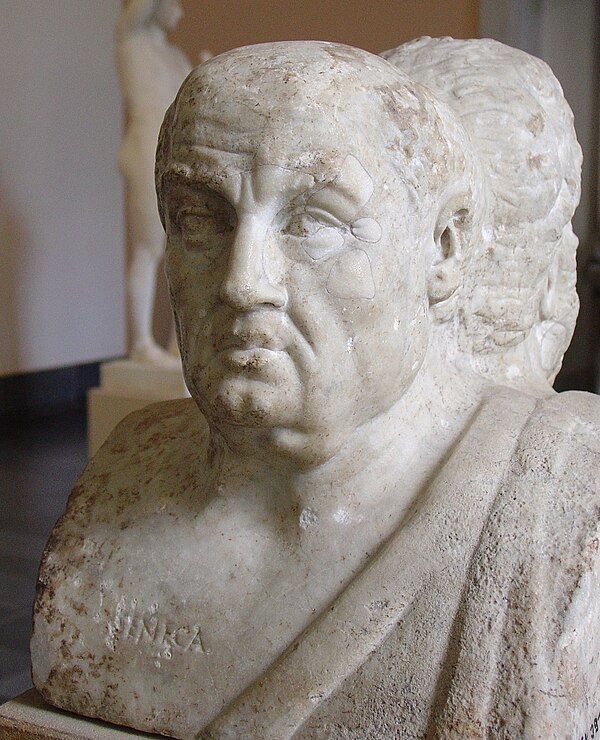
Embracing Mutual Growth: The Wisdom of Seneca
Seneca's profound insight, "Live with people who will improve you; welcome those who you can improve," invites us to reflect on the nature of our relationships and their impact on our personal development. This quote emphasizes the importance of surrounding ourselves with individuals who inspire growth while also recognizing our capacity to uplift others. In a world often marked by superficial connections, this wisdom serves as a reminder that the quality of our company can significantly shape our character and aspirations.
At its core, Seneca's message underscores the reciprocal nature of human relationships. It challenges us to evaluate not only who we choose to spend our time with but also how we engage with those around us. By fostering an environment of mutual improvement, we create a space where both personal and collective growth can flourish. This notion resonates deeply in a society that often prioritizes individual success over communal well-being, urging us to reconsider the dynamics of our interactions.
The image / the metaphor
The imagery in Seneca's quote evokes a sense of community and collaboration. The verbs "improve" and "welcome" suggest an active engagement with others, highlighting the dynamic interplay between self and society. To "live with" implies a shared existence, a daily intertwining of lives where influence flows both ways. This metaphor paints a picture of a garden where individuals are not merely plants growing in isolation but rather a diverse ecosystem, each contributing to the health and vitality of the whole.
Diving deeper into this metaphor, we can envision the transformative power of relationships. Just as a gardener tends to the soil, ensuring it is rich and nourishing, we too must cultivate our social circles with intention. The act of welcoming those we can improve suggests a humility and openness to mentorship, recognizing that our experiences and insights can serve as a guiding light for others. This reciprocal nurturing fosters a sense of belonging and purpose, reinforcing the idea that we are all interconnected in our journeys toward self-betterment.
In the speaker's tradition
Seneca's philosophy is deeply rooted in Stoicism, a tradition that emphasizes virtue, wisdom, and the importance of rational thought in navigating life's challenges. Central to Stoic thought is the concept of 'dharma,' or one's duty to act in accordance with nature and reason. By surrounding ourselves with those who elevate our character, we align with our higher purpose, fulfilling our duty not only to ourselves but to the greater community. This notion parallels the Buddhist concept of 'sangha,' or the community of practitioners, which underscores the importance of supportive relationships in the pursuit of enlightenment.
In his Letters, Seneca often reflects on the value of friendship and the influence of companions on one's moral development. For instance, in Letter 9, he writes about the importance of choosing friends wisely, as they can either lead us toward virtue or away from it. This echoes the sentiment found in Aristotle's notion of 'philia,' or friendship, where he posits that true friends help us become better versions of ourselves. Both philosophers recognize that the company we keep plays a pivotal role in shaping our character and guiding our ethical choices.
Living the teaching
Consider a modern scenario where this teaching resonates: a workplace environment filled with colleagues who challenge and inspire one another. In such a setting, individuals are encouraged to share ideas, provide constructive feedback, and support each other's growth. This dynamic not only enhances productivity but also fosters a culture of continuous learning and improvement. By consciously choosing to engage with those who elevate our professional lives, we embody Seneca's wisdom, creating a space where collective success is celebrated.
In a more personal context, think about a relationship with a friend who consistently encourages you to pursue your passions and confront your fears. This friend embodies the essence of Seneca's teaching, as their presence in your life serves to uplift and motivate you. Conversely, consider how you might also serve as a source of encouragement for them, offering support and guidance in their own endeavors. This mutual exchange of growth and improvement not only strengthens your bond but also enriches both of your lives, illustrating the profound impact of intentional relationships.
A reflection
As we contemplate Seneca's wisdom, we might ask ourselves: "Who are the individuals in my life that inspire my growth, and how can I be a source of encouragement for them?" This question invites introspection and encourages us to evaluate the quality of our relationships. By actively seeking out those who challenge us to be better while also offering our support to others, we can cultivate a community rooted in mutual improvement, ultimately leading to a more fulfilling and meaningful existence.