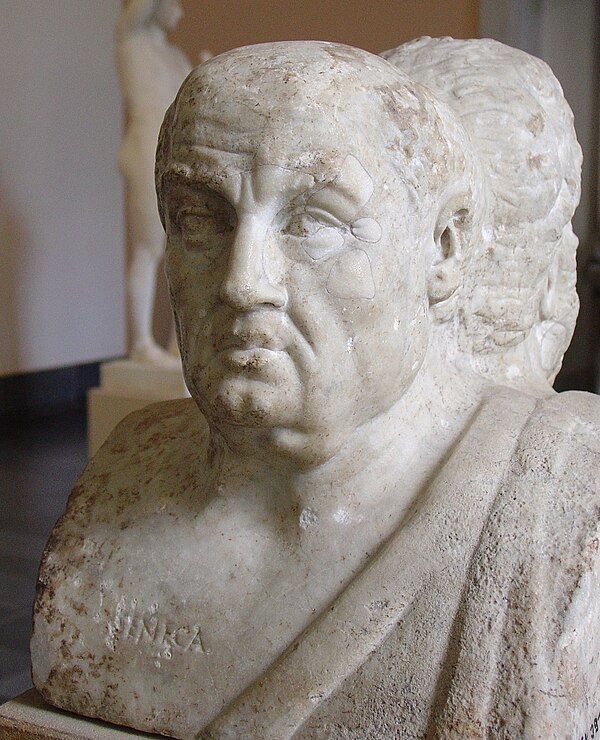
Embracing the Gift of Time: A Stoic Reflection
In his poignant letter to Lucilius, Seneca urges us to recognize the profound transformation we can achieve within the confines of our limited time. He implores us to hasten our reflections on how we have improved ourselves, suggesting that self-betterment is not merely a passive experience but an active pursuit. This call to action resonates deeply in a world often preoccupied with distractions, reminding us that the essence of our existence lies in our ability to reflect and grow.
Seneca's words serve as a powerful reminder that time is both a gift and a responsibility. The urgency he conveys is not about racing against the clock but rather about seizing the moment to engage in meaningful self-reflection. In a society that often glorifies busyness, this invitation to pause and consider our progress becomes a radical act of mindfulness, encouraging us to cultivate a deeper awareness of our journey and the choices we make along the way.
The image / the metaphor
At first glance, Seneca's exhortation to "make haste" may seem paradoxical, as it suggests a rush to reflect. However, the imagery he employs is rich with meaning. The phrase "make haste" evokes a sense of urgency, urging us to act swiftly in our introspection. The act of reflecting is not a leisurely endeavor; it requires intention and commitment. The notion of bettering oneself in the time given speaks to the finite nature of our existence, emphasizing that each moment is an opportunity for growth.
Diving deeper into the metaphor, we can see that Seneca is not merely advocating for a superficial assessment of our lives. Instead, he invites us to engage in a profound exploration of our values, actions, and aspirations. The urgency he expresses is a call to awaken from the slumber of complacency, to recognize that time is fleeting, and to embrace the transformative power of self-awareness. In this light, reflection becomes a sacred practice, a means to align our lives with our highest potential.
In the speaker's tradition
Seneca's philosophy is deeply rooted in Stoicism, a tradition that emphasizes the importance of virtue, rationality, and self-control. Central to Stoic thought is the concept of living in accordance with nature, which parallels ideas found in other spiritual traditions, such as dharma in Hinduism or the notion of kenosis in Christian mysticism. Just as these concepts encourage individuals to align their actions with a higher purpose, Seneca's call to reflect on self-betterment invites us to consider our role in the greater tapestry of existence.
In his broader body of work, Seneca often references the importance of time and the fleeting nature of life. In "On the Shortness of Life," he articulates the idea that life is long enough if used wisely, reinforcing the notion that our relationship with time is a reflection of our values and priorities. This connection between time and self-improvement is a recurring theme in Stoic literature, urging us to cultivate mindfulness and intentionality in our daily lives.
Living the teaching
Consider a modern scenario where this teaching resonates: a professional caught in the whirlwind of deadlines and meetings. Amidst the chaos, the individual may find themselves reflecting on their career trajectory, questioning whether their daily efforts align with their deeper aspirations. By heeding Seneca's advice, they might carve out moments for introspection, assessing how their work contributes to their personal growth and fulfillment. This conscious reflection can lead to transformative decisions, such as pursuing a passion project or seeking a more meaningful role within their organization.
In the realm of relationships, Seneca's call to reflect can also be profoundly impactful. Imagine a friendship that has grown distant over time. By taking the time to reflect on the dynamics of the relationship, one may uncover underlying issues or unexpressed feelings. This awareness can pave the way for open communication and healing, allowing both individuals to better themselves and their connection. In this way, the practice of reflection becomes a tool for nurturing not only our own growth but also the growth of those around us.
A reflection
As we contemplate Seneca's invitation to reflect on our self-betterment, we might ask ourselves: "In what ways have I grown in the time I have been given, and how can I continue to cultivate this growth moving forward?" This question encourages us to engage in a meaningful dialogue with ourselves, fostering a deeper understanding of our journey and the choices that shape our lives. By embracing this reflective practice, we honor the gift of time and the potential for transformation that lies within each moment.