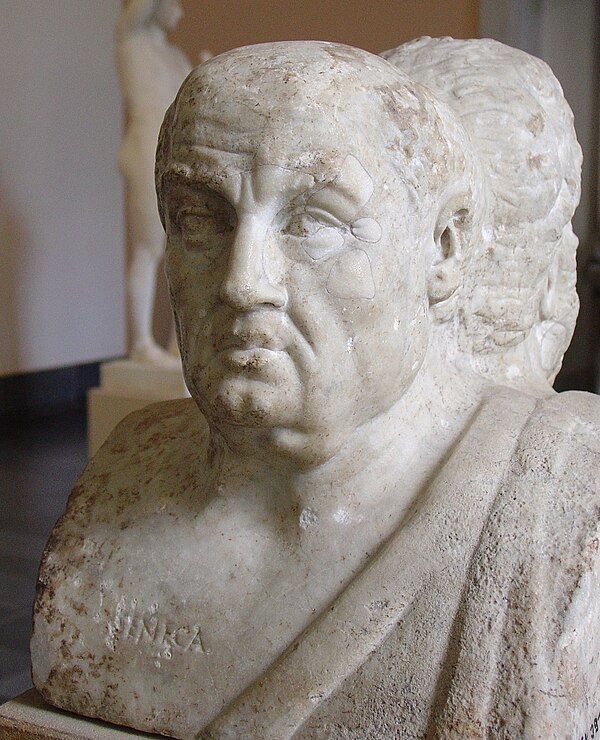
The Stern Path to Joy: Insights from Seneca
In his profound assertion, "Real joy is a stern matter — it is born of the soul," Seneca invites us to reconsider the nature of joy itself. He suggests that true joy is not a fleeting emotion or a superficial pleasure, but rather a deep, abiding state that emerges from the core of our being. This perspective challenges the contemporary understanding of joy as something easily attained through external circumstances or material possessions, emphasizing instead the inner work required to cultivate a lasting sense of fulfillment.
Seneca's words resonate with an urgency that speaks to the human condition. In a world often preoccupied with transient happiness, he reminds us that genuine joy is intertwined with the soul's integrity and resilience. This notion compels us to reflect on the sources of our happiness and to seek a more profound connection with ourselves, one that transcends the ephemeral and taps into the enduring essence of our existence.
The image / the metaphor
At first glance, the imagery in Seneca's quote evokes a sense of gravity. The term "stern" suggests a seriousness, a discipline that is often absent in contemporary discussions of joy. This choice of words implies that joy is not merely a lighthearted experience but a profound state that requires commitment and effort. The phrase "born of the soul" further emphasizes that this joy is not contingent upon external validation or fleeting pleasures; rather, it is an intrinsic quality that arises from a deep understanding of oneself.
Diving deeper into the metaphor, we can see that Seneca is drawing a distinction between superficial happiness and the joy that is rooted in the soul's authenticity. This joy is akin to a wellspring, a source that nourishes us from within. It suggests that the path to joy is not paved with ease but rather with the rigorous examination of our values, beliefs, and actions. The sternness implied here is not punitive; instead, it is a call to embrace the challenges of self-discovery and personal growth.
In the speaker's tradition
Seneca's insights are firmly situated within the Stoic tradition, which emphasizes the importance of virtue, wisdom, and self-control. In Stoicism, joy is often linked to the concept of eudaimonia, or human flourishing, which arises from living in accordance with one's true nature and purpose. This aligns with the idea of dharma in Eastern philosophies, where fulfillment is achieved through living authentically and in harmony with the universe. Both traditions highlight that true joy is a byproduct of inner alignment rather than external circumstances.
Moreover, Seneca's notion of joy resonates with the Stoic practice of reflecting on one's thoughts and actions. In his "Letters," he often encourages self-examination and the cultivation of virtue as pathways to a meaningful life. This echoes the teachings found in other Stoic texts, such as Marcus Aurelius's "Meditations," where the emphasis is placed on the importance of inner strength and resilience in the face of life's challenges. Both philosophers advocate for a joy that is steadfast and rooted in the soul's integrity.
Living the teaching
Consider a modern scenario where this teaching might apply: a professional facing burnout in a high-pressure job. The pursuit of success and external validation can often lead to a hollow sense of achievement, leaving one feeling unfulfilled. By embracing Seneca's perspective, this individual might begin to explore what truly brings them joy beyond accolades and promotions. They could engage in self-reflection, identifying their core values and passions, ultimately leading to a more authentic and satisfying career path that aligns with their soul's purpose.
In relationships, the application of this teaching can be equally transformative. Imagine a couple navigating a difficult period, where misunderstandings and conflicts seem to overshadow their connection. By recognizing that real joy in their partnership requires a commitment to understanding and supporting each other's inner worlds, they can begin to cultivate a deeper bond. This might involve honest conversations about their needs and desires, fostering an environment where both partners feel seen and valued, thus allowing joy to flourish from the depths of their shared experience.
A reflection
As we contemplate Seneca's assertion that "real joy is a stern matter," we are invited to examine our own lives and the sources of our happiness. Are we seeking joy in fleeting pleasures, or are we willing to engage in the deeper, sometimes challenging work of nurturing our souls? In this spirit, consider this contemplative question: What steps can you take today to align your actions with your inner values, paving the way for a more authentic and enduring sense of joy?