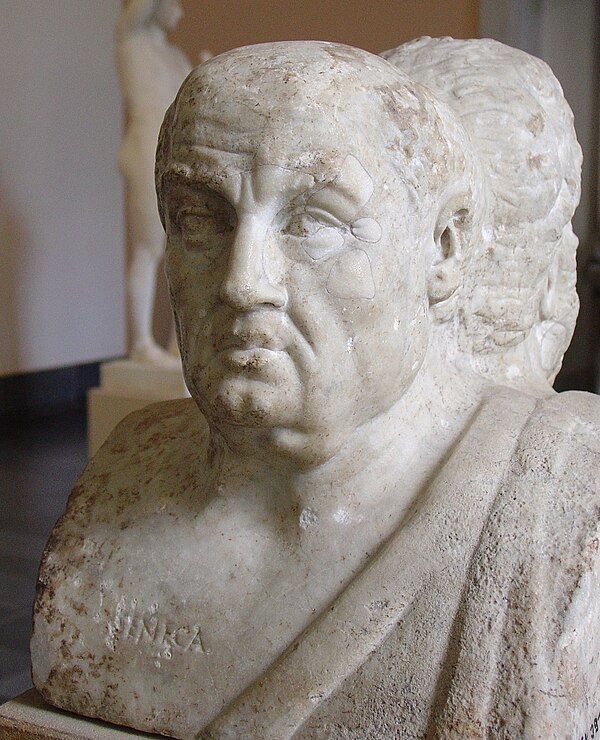
The Gift of Time: A Stoic Reflection
Seneca's poignant assertion, "It is not that we have a short time to live, but that we waste a lot of it," invites us to reconsider our relationship with time. This quote serves as a clarion call to awaken from the slumber of distraction and misallocation of our most precious resource. In a world that often glorifies busyness, Seneca's wisdom urges us to confront the reality that our lives are not inherently brief; rather, it is our choices and habits that can render them fleeting. Understanding this distinction is crucial, as it empowers us to reclaim agency over our time and, by extension, our lives.
Delving deeper into this insight reveals a profound truth about human existence: the quality of our lives is not measured solely by the number of years we accumulate, but by how we choose to spend those years. Seneca's words resonate with a timeless urgency, reminding us that each moment holds potential for meaning and purpose. By recognizing the ways we squander our time—through procrastination, mindless consumption, or unexamined routines—we can begin to cultivate a more intentional approach to living. This reflection is not merely an intellectual exercise; it is a transformative invitation to align our daily actions with our deepest values and aspirations.
The image / the metaphor
At the heart of Seneca's quote lies a vivid imagery that evokes both urgency and possibility. The notion of "wasting" time conjures images of sand slipping through our fingers, a precious resource that, once lost, cannot be reclaimed. The verbs chosen—"have" and "waste"—suggest a duality in our relationship with time: it is both a gift bestowed upon us and a commodity that can be squandered. This metaphorical landscape invites us to visualize our lives as a canvas, where each moment is a brushstroke that contributes to the larger picture of our existence.
Moreover, the metaphor extends beyond mere imagery; it challenges us to confront the emotional weight of our choices. To waste time is to disregard the potential for growth, connection, and fulfillment that each moment offers. In this light, Seneca's quote becomes a mirror reflecting our habits and priorities, urging us to examine how we allocate our time. Are we investing it in pursuits that nourish our souls, or are we allowing it to dissipate in trivial distractions? This deeper exploration of the metaphor compels us to take stock of our lives and consider how we might better honor the time we have.
In the speaker's tradition
Seneca's insights are deeply rooted in the Stoic tradition, which emphasizes the importance of virtue, reason, and the cultivation of a life well-lived. Central to Stoicism is the concept of *prohairesis*, or moral choice, which underscores our capacity to direct our lives according to reason rather than impulse. This aligns with the broader philosophical themes found in various traditions, such as the Buddhist notion of *dharma*, which encourages individuals to live in accordance with their true nature and purpose. In both frameworks, the emphasis is on intentionality and the mindful use of time as a pathway to fulfillment.
In his work *On the Shortness of Life*, Seneca articulates the idea that time is a resource that can be squandered or wisely invested. He draws a distinction between those who live in accordance with their values and those who drift aimlessly through life. This echoes the teachings of other philosophical traditions, such as the concept of *kenosis* in Christian thought, which speaks to the self-emptying of one's desires to embrace a higher purpose. By situating Seneca's quote within this rich tapestry of thought, we can appreciate the universality of the message: that how we spend our time is a reflection of our deepest values and aspirations.
Living the teaching
Consider a modern scenario where this teaching resonates: a professional caught in the relentless cycle of work deadlines and digital distractions. Each day blurs into the next, filled with meetings and notifications, yet the individual feels a persistent sense of dissatisfaction. In this context, Seneca's wisdom serves as a wake-up call, prompting a reevaluation of priorities. By consciously choosing to carve out time for meaningful activities—whether it be pursuing a passion, nurturing relationships, or engaging in self-reflection—one can begin to reclaim the hours that once felt wasted. This shift not only enhances personal fulfillment but also fosters a deeper connection to the present moment.
Another application of this teaching can be found in the realm of relationships. Imagine a parent who, despite being physically present, is often mentally preoccupied with work or technology. This dynamic can lead to a sense of disconnection and missed opportunities for genuine connection. By embracing Seneca's insight, the parent may choose to dedicate intentional time to engage fully with their children, creating moments of joy and presence that enrich both their lives. In this way, the practice of mindfulness and intentionality becomes a powerful antidote to the tendency to waste time, transforming everyday interactions into meaningful experiences.
A reflection
As we contemplate Seneca's profound assertion, we are invited to reflect on our own relationship with time. What choices are we making that contribute to a sense of wasted moments? In what ways can we cultivate a more intentional approach to our daily lives? By engaging with these questions, we open ourselves to the possibility of transformation, allowing the wisdom of the Stoics to guide us toward a life that honors the precious gift of time.