Journeying Inward: The Path to Self-Transcendence
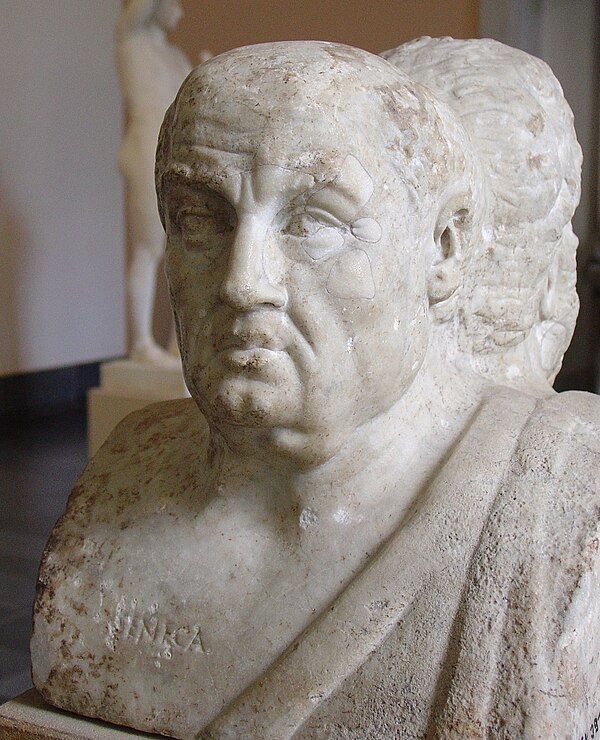
Seneca's profound assertion, "That you may go beyond yourself, you must travel inward," invites us to consider the intricate relationship between self-discovery and personal growth. In a world that often prioritizes external achievements and material success, this quote serves as a gentle reminder of the importance of introspection. To truly transcend our limitations and reach our fullest potential, we must first embark on a journey within, exploring the depths of our own consciousness and understanding. This inward journey is not merely a philosophical exercise; it is a vital practice that can lead to profound transformation.
Delving deeper into this idea, we recognize that the act of traveling inward is not a solitary endeavor but a universal quest shared by many spiritual traditions. It calls for a courageous confrontation with our inner landscapes, where we may encounter both light and shadow. The stakes are high, as this journey can reveal our deepest fears, desires, and truths. Yet, it is through this exploration that we can cultivate a more authentic existence, ultimately allowing us to transcend the confines of our ego and connect with something greater than ourselves.
The image / the metaphor
At its core, Seneca's quote employs the metaphor of travel to convey the essence of self-exploration. The verbs "go" and "travel" evoke a sense of movement and adventure, suggesting that the inward journey is not static but dynamic and evolving. This imagery invites us to envision our inner world as a vast, uncharted territory, rich with potential discoveries. Just as a traveler must navigate unfamiliar landscapes, we too must traverse the complexities of our thoughts and emotions, seeking to understand the terrain of our psyche.
Moreover, the metaphor of travel implies that this inward journey requires intention and effort. It is not merely a passive reflection but an active engagement with our inner selves. The notion of "going beyond" suggests that there is a destination, a higher state of being that awaits us if we are willing to embark on this journey. This deeper understanding of the metaphor encourages us to embrace the challenges and uncertainties that accompany self-exploration, recognizing that they are integral to our growth and evolution.
In the speaker's tradition
Seneca, a prominent Stoic philosopher, situates this teaching within a rich tradition that emphasizes the importance of virtue, wisdom, and self-mastery. Stoicism teaches that true happiness and fulfillment arise not from external circumstances but from our internal responses to them. This aligns with concepts found in other spiritual traditions, such as dharma in Hinduism, which emphasizes the importance of understanding one's true nature, or kenosis in Christian mysticism, which speaks to the self-emptying necessary for spiritual growth. Each of these concepts underscores the significance of looking inward to discover our true selves.
In his letters, Seneca often reflects on the importance of self-examination and the cultivation of inner virtues. For instance, in "Letters to Lucilius," he writes about the necessity of confronting our own faults and limitations as a means of achieving personal growth. This echoes the Buddhist concept of sunyata, or emptiness, which invites practitioners to let go of attachments and preconceived notions in order to uncover their true essence. Both traditions emphasize that the path to transcendence is paved with introspection and self-awareness.
Living the teaching
Consider a modern scenario where this teaching resonates: a professional grappling with burnout and dissatisfaction in their career. In the pursuit of success, they may have neglected their inner life, focusing solely on external validation. By taking the time to travel inward—through practices such as journaling, meditation, or therapy—they can begin to uncover the underlying motivations and fears that have driven their choices. This introspective journey allows them to reassess their values and aspirations, ultimately leading to a more authentic and fulfilling career path.
Another application of this teaching can be found in relationships. Imagine a couple facing recurring conflicts that stem from unspoken fears and insecurities. By engaging in open and honest communication, each partner can embark on their own inward journey, exploring their emotional landscapes and understanding the roots of their reactions. This process not only fosters deeper intimacy but also encourages personal growth, as both individuals learn to transcend their ego-driven responses and cultivate a more compassionate connection.
A reflection
As we contemplate Seneca's wisdom, we are invited to ask ourselves: What does it mean for me to travel inward, and what truths might I uncover in the depths of my own being? This question encourages us to engage in a contemplative practice, allowing us to explore our inner worlds with curiosity and openness. By embracing this journey, we may find that the path to transcending our limitations lies not in external pursuits but in the rich, transformative experience of self-discovery.