Finding Stillness Amidst the Storm
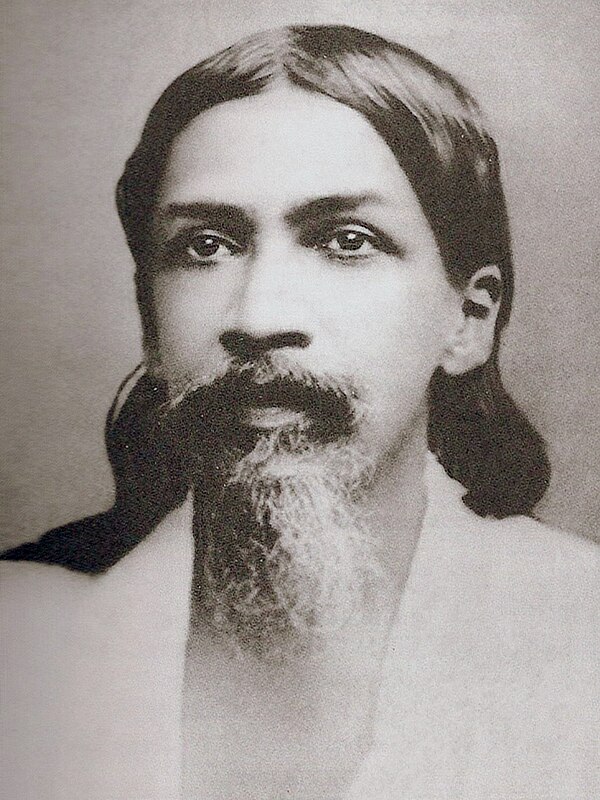
Sri Aurobindo's profound exhortation, "Live within; be not shaken by outward happenings," invites us to cultivate an inner sanctuary that remains undisturbed by the tumult of the external world. In an age characterized by rapid change and relentless distractions, this wisdom resonates deeply, urging us to prioritize our inner life over the chaos that surrounds us. The stakes are high; our ability to maintain equanimity in the face of adversity can determine not only our personal well-being but also our capacity to engage meaningfully with the world.
This call to live within is not merely a suggestion; it is a profound spiritual practice that encourages us to delve into the depths of our own consciousness. By fostering an inner resilience, we can navigate life's challenges with grace and clarity. The essence of this teaching lies in recognizing that while external events may be beyond our control, our responses to them are entirely within our purview. Thus, the journey inward becomes a path to liberation, allowing us to transcend the ephemeral and connect with the eternal.
The image / the metaphor
The imagery in Aurobindo's quote evokes a sense of refuge and stability. To "live within" suggests a deep engagement with one's inner landscape, a realm where thoughts, emotions, and spiritual insights converge. The phrase "be not shaken" conveys a sense of steadfastness, implying that while the world may present challenges, our inner core can remain unperturbed. This duality between the inner and outer worlds is central to the human experience, highlighting the importance of cultivating a strong inner foundation.
Diving deeper into the metaphor, we can envision the inner life as a tranquil lake, reflecting the sky above while remaining undisturbed by the winds that may sweep across its surface. This stillness allows for clarity and insight, enabling us to perceive the world without distortion. In contrast, the outer happenings represent the unpredictable storms of life—events that can easily unsettle us if we are not anchored in our inner truth. Aurobindo's wisdom encourages us to nurture this inner lake, ensuring that we can weather any storm with grace.
In the speaker's tradition
Within the rich tapestry of Hindu philosophy, Aurobindo's teaching aligns closely with concepts such as dharma and prajna. Dharma, often translated as duty or righteousness, emphasizes the importance of aligning one's actions with a higher purpose, while prajna refers to the wisdom that arises from deep inner understanding. Both concepts underscore the necessity of cultivating an inner life that is informed by spiritual principles, allowing us to navigate the complexities of existence with integrity and insight.
Moreover, Aurobindo's emphasis on inner stability resonates with the teachings found in the Bhagavad Gita, where Lord Krishna advises Arjuna to remain steadfast in his duty, regardless of external circumstances. This notion of equanimity, or samatva, is a recurring theme in Hindu texts, illustrating the timeless relevance of Aurobindo's message. By grounding ourselves in our inner truth, we can fulfill our dharma without being swayed by the vicissitudes of life.
Living the teaching
Consider a modern scenario where this teaching can be applied: a professional facing unexpected challenges at work, such as a sudden change in leadership or a project setback. In such moments, the temptation to react impulsively can be overwhelming. However, by embodying Aurobindo's wisdom, the individual can take a step back, grounding themselves in their inner resources. This pause allows for a thoughtful response rather than a knee-jerk reaction, fostering a sense of clarity and purpose amidst uncertainty.
In the realm of relationships, the practice of living within can also prove transformative. Imagine a disagreement with a loved one that threatens to escalate into conflict. By turning inward and accessing a place of calm, one can approach the situation with empathy and understanding rather than defensiveness. This inner stability not only enhances communication but also deepens the connection, allowing both parties to navigate the disagreement with grace and compassion.
A reflection
As we contemplate Aurobindo's invitation to "live within," we are called to examine our own lives and the ways in which we respond to external pressures. What practices can we cultivate to strengthen our inner resilience? In moments of turmoil, how can we remind ourselves to return to that inner sanctuary, allowing it to guide our actions and reactions? Reflecting on these questions can illuminate our path toward a more centered and fulfilling existence.