The Sacred Space of Solitude: Embracing the Self
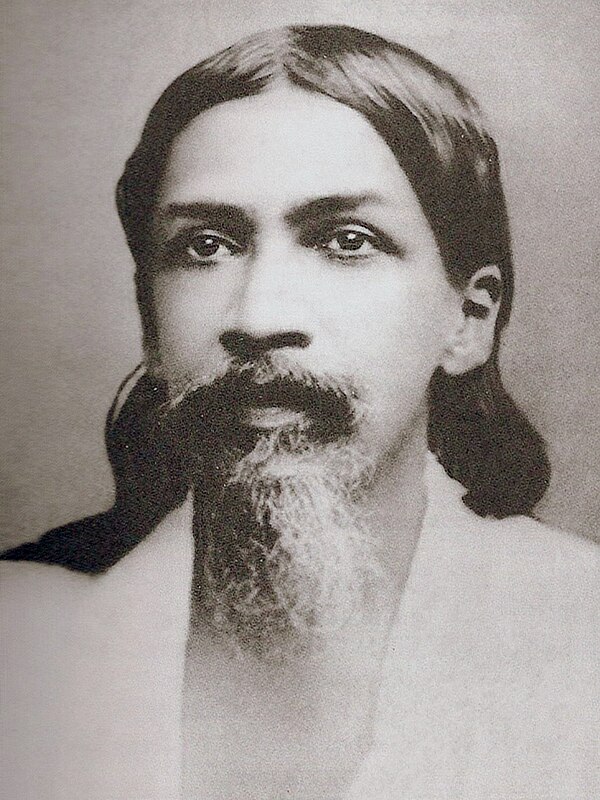
Sri Aurobindo's assertion that "solitude is the chosen ground of the self with itself" invites us to consider solitude not merely as a physical state of being alone, but as a profound, intentional engagement with our inner selves. In a world that often prioritizes external validation and social interaction, this quote serves as a reminder of the importance of carving out space for introspection and self-discovery. The stakes are high; without this sacred solitude, we risk losing touch with our true essence, becoming mere reflections of societal expectations.
Delving deeper, we recognize that solitude is not synonymous with loneliness. Instead, it is a conscious choice to retreat from the cacophony of the outside world, allowing us to engage in a dialogue with our innermost thoughts and feelings. In this chosen ground, we cultivate a relationship with ourselves that is essential for personal growth and spiritual evolution. Aurobindo's words resonate with the understanding that true self-awareness emerges from moments of quiet reflection, where we can confront our fears, desires, and aspirations without distraction.
The image / the metaphor
The imagery of "chosen ground" evokes a sense of sacredness and intentionality. Ground suggests a foundation, a place where one can stand firm and rooted, while the act of choosing implies agency and purpose. In this context, solitude transforms from a passive state into an active, deliberate practice. It becomes a sanctuary where the self can explore its depths, free from the noise and demands of the external world. This metaphorical ground is not merely a physical space but an inner landscape where the self can flourish.
Going deeper into the metaphor, we can see solitude as a fertile soil for the seeds of self-awareness and authenticity. Just as a gardener tends to their plants in solitude, nurturing them away from the prying eyes of others, we too must cultivate our inner lives in a similar manner. This nurturing process allows us to confront our shadows and illuminate our strengths, ultimately leading to a more integrated self. Solitude, then, becomes a transformative space where the self can engage in a profound dialogue, fostering growth and understanding.
In the speaker's tradition
Within the rich tapestry of Hindu philosophy, Sri Aurobindo's perspective on solitude aligns with concepts such as dharma and self-realization. Dharma, often understood as one's duty or path, emphasizes the importance of understanding oneself in relation to the universe. Solitude provides the necessary clarity to discern one's dharma, allowing individuals to align their actions with their true purpose. This alignment is crucial for spiritual growth, as it fosters a deeper connection with the divine and the cosmos.
Moreover, Aurobindo's thoughts resonate with the notion of kenosis, the self-emptying that allows for the fullness of the divine to enter. In solitude, we practice this self-emptying, shedding the layers of societal conditioning and expectations. This process is echoed in the teachings of the Bhagavad Gita, where self-inquiry and introspection are essential for realizing one's true nature. The Gita encourages us to engage in self-reflection, ultimately leading to a deeper understanding of our place in the universe and our relationship with the divine.
Living the teaching
Consider a modern scenario where the demands of work and social obligations leave little room for personal reflection. In such a context, the practice of intentionally carving out time for solitude can be transformative. Imagine setting aside a few moments each day to disconnect from technology and immerse oneself in nature or a quiet space at home. This practice allows for a reconnection with the self, fostering clarity and insight that can inform decisions and enhance overall well-being. By choosing solitude, we reclaim our agency and nurture our inner lives.
In relationships, the teaching of solitude can also play a crucial role. During moments of conflict or emotional turmoil, taking time apart to reflect can lead to deeper understanding and healing. Rather than reacting impulsively, individuals can use solitude to process their feelings and gain perspective. This practice not only benefits the individual but also enriches the relationship, as both partners return with greater clarity and compassion. Solitude, in this sense, becomes a tool for cultivating healthier connections and fostering emotional resilience.
A reflection
As we contemplate Aurobindo's profound insight, we are invited to consider the nature of our own solitude. How often do we choose to engage with ourselves in this sacred space? In a world that constantly pulls us outward, the practice of solitude can feel daunting yet essential. Reflect on this: What does your chosen ground of solitude look like, and how can you cultivate it to deepen your relationship with yourself?