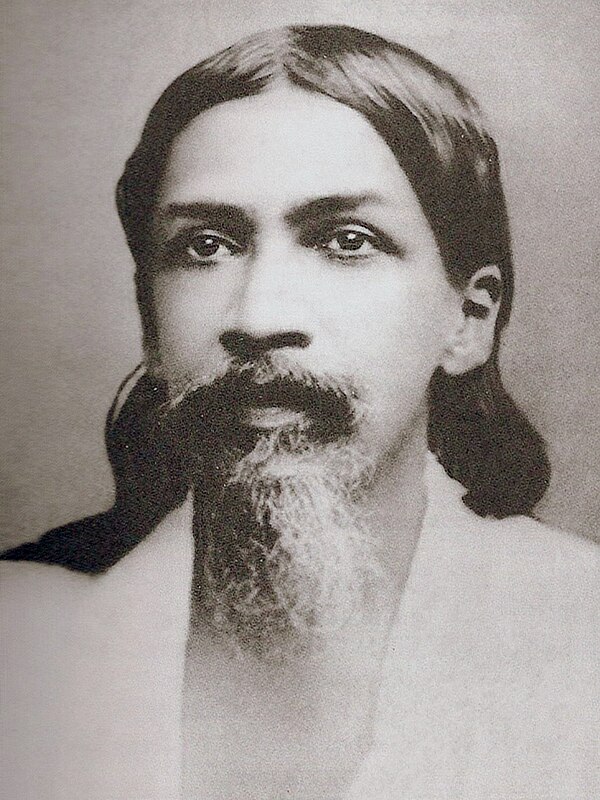
Awakening the Divine Within
The quote by Sri Aurobindo invites us to place our trust in a divine power that, when embraced, has the potential to liberate the godlike aspects of our being. This liberation is not merely a personal transformation but a profound expression of our inherent divine nature. In a world often marked by doubt and disconnection, this teaching serves as a reminder of the latent potential within each of us, waiting to be unveiled through trust and surrender.
To trust in the divine power is to engage in an act of faith that transcends the ordinary. It suggests a relationship with the divine that is dynamic and reciprocal; as we trust, we are shaped and molded into vessels of divine expression. This process is not passive; it requires an active engagement with the divine, a willingness to let go of our limitations and embrace a higher calling. In this light, Aurobindo's words resonate deeply, urging us to recognize the divine elements within ourselves and the transformative journey that awaits.
The image / the metaphor
At the heart of Aurobindo's quote lies a rich tapestry of imagery that evokes a sense of awakening and transformation. The phrase "trust the divine power" suggests a nurturing force, one that is both protective and empowering. The use of "free" indicates a release from constraints, while "shape" implies a creative, sculptural process, where the divine actively molds our essence into something beautiful and meaningful. The notion of "godlike elements" speaks to the innate divinity within us, waiting to be expressed and realized.
Diving deeper into the metaphor, we can see that this process of shaping is akin to that of an artist working with clay. The divine power acts as the artist, while we are the clay, malleable and full of potential. This imagery invites us to consider our own role in this creative process; we are not merely passive recipients but active participants in our transformation. By trusting in this divine artistry, we allow ourselves to be reshaped, to become vessels of love, compassion, and wisdom, reflecting the divine nature that resides within.
In the speaker's tradition
Sri Aurobindo's teachings are deeply rooted in the Hindu tradition, where concepts such as dharma, bhakti, and the realization of the Self play pivotal roles. Trusting in the divine power aligns with the practice of bhakti, or devotion, which emphasizes surrendering oneself to a higher reality. This act of surrender is not a loss of self but rather a pathway to discovering the true essence of our being, which is inherently divine. Aurobindo's perspective encourages us to embrace this trust as a means of fulfilling our dharma, or life purpose, which is ultimately to express our divine nature.
In his work, Aurobindo often references the idea of the Supermind, a higher consciousness that connects the individual soul with the universal divine. This concept resonates with the quote, as it suggests that by trusting in the divine power, we can access this higher state of being. The Upanishads, ancient texts that explore the nature of reality and the self, echo this sentiment, emphasizing the importance of realizing the divine within and the interconnectedness of all existence. Aurobindo's teachings serve as a bridge between these ancient insights and contemporary spiritual practice.
Living the teaching
Consider a modern scenario where an individual faces a significant life decision, perhaps a career change or a personal relationship challenge. In such moments, the act of trusting the divine power can be transformative. Instead of relying solely on rational analysis or external validation, one might turn inward, seeking guidance from a deeper sense of purpose and intuition. By embracing this trust, the individual opens themselves to possibilities that may not have been visible before, allowing the divine elements within to guide their choices and actions.
This teaching can also manifest in the context of relationships. Imagine a situation where conflict arises between friends or partners. By trusting in the divine power, individuals can approach the situation with a mindset of compassion and understanding, recognizing the inherent divinity in each other. This shift in perspective can lead to healing and reconciliation, as both parties allow their higher selves to emerge, fostering an environment where love and respect prevail. In daily practices, such as meditation or prayer, one can cultivate this trust, creating a space for the divine to shape their experiences and interactions.
A reflection
As we contemplate Aurobindo's profound words, we are invited to consider: What does it mean for me to trust in the divine power within my own life? This question encourages a deep exploration of our relationship with the divine and challenges us to reflect on how we might allow this trust to shape our actions, decisions, and interactions with others. In embracing this inquiry, we open ourselves to the transformative potential that lies within, ready to express our unique divine nature in the world.