The Multidimensional Nature of Truth
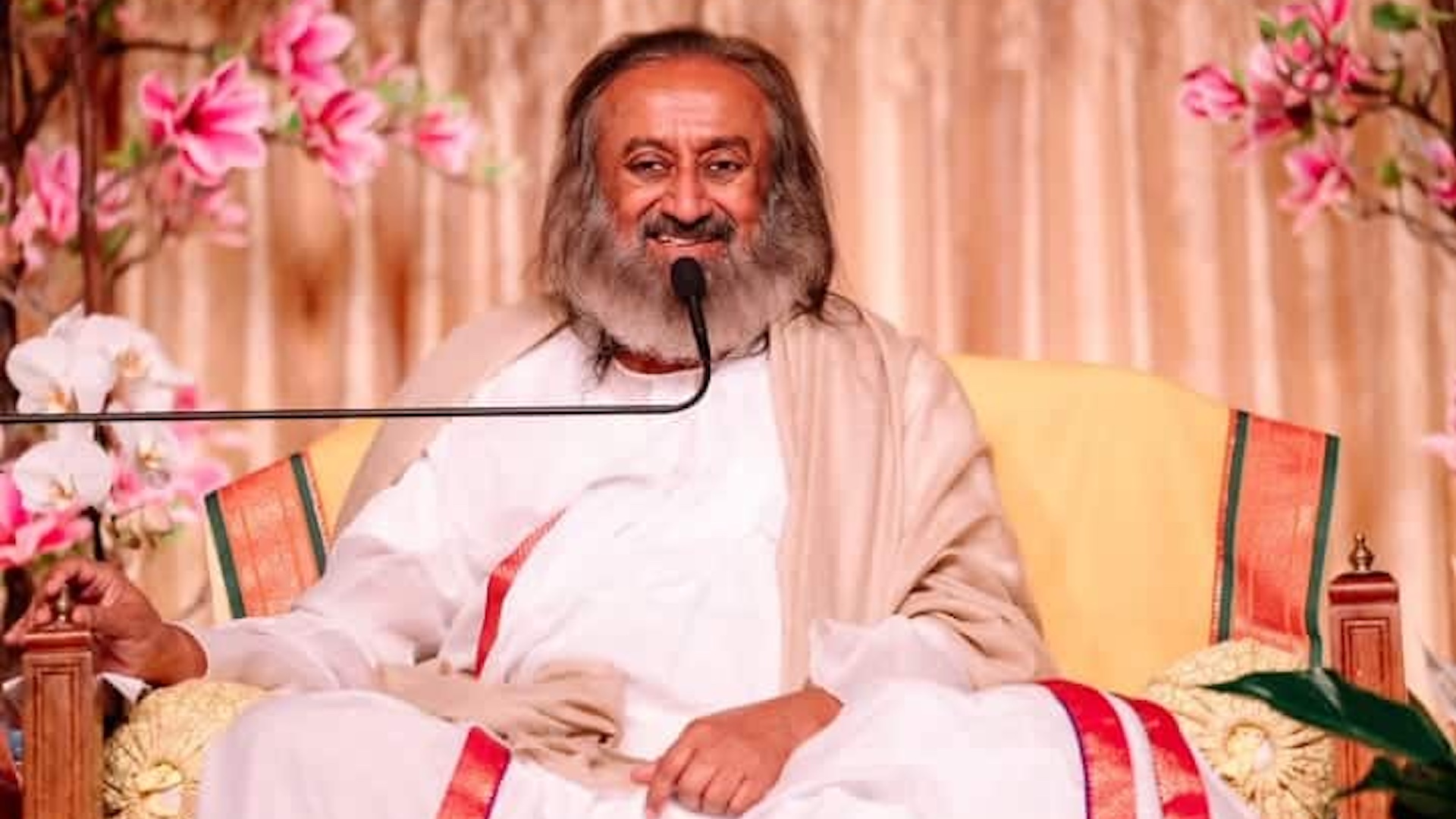
In the words of Sri Sri Ravi Shankar, "Truth is multidimensional. Words are linear. They cannot capture the truth." This profound statement invites us to reflect on the limitations of language in conveying the essence of reality. In a world often dominated by verbal communication, the challenge lies in recognizing that our attempts to articulate truth may fall short of its inherent complexity. Understanding this distinction is crucial, as it encourages a deeper exploration of our experiences beyond mere words.
As we navigate our lives, we frequently rely on language to express our thoughts, feelings, and beliefs. However, the richness of human experience often transcends the confines of words. This quote serves as a reminder that while language can serve as a tool for communication, it can also obscure the deeper truths that lie beneath the surface. Embracing the multidimensionality of truth invites us to engage with the world in a more holistic manner, allowing for a fuller understanding of ourselves and our relationships with others.
The image / the metaphor
At the heart of Sri Sri Ravi Shankar's quote lies a striking contrast between the linearity of words and the multidimensionality of truth. The imagery evokes a sense of depth and complexity, suggesting that truth cannot be neatly packaged or confined to a single narrative. Words, like arrows, travel in a straight line, aiming to hit a target, yet they often miss the broader context and nuances that shape our understanding. This metaphor highlights the limitations of language, urging us to look beyond the surface and explore the layers of meaning that exist within our experiences.
Diving deeper into this metaphor, we can envision truth as a vast landscape, rich with diverse terrains and hidden pathways. Each dimension of truth offers unique insights, yet words can only capture fragments of this expansive reality. The challenge, then, is to cultivate an awareness that transcends verbal expression, allowing us to engage with truth in its fullness. By acknowledging the limitations of language, we open ourselves to a more profound exploration of existence, one that embraces ambiguity and complexity rather than shying away from it.
In the speaker's tradition
Sri Sri Ravi Shankar's teachings are rooted in the Art of Living tradition, which emphasizes the importance of inner peace, self-awareness, and the interconnectedness of all beings. Concepts such as dharma, or the moral order of the universe, and prajna, the wisdom that arises from direct experience, resonate deeply with the idea that truth is multifaceted. In this context, the recognition that words cannot fully encapsulate truth encourages practitioners to seek understanding through meditation, self-inquiry, and mindful living, rather than relying solely on intellectual discourse.
A relevant text that echoes this sentiment is the Bhagavad Gita, where Lord Krishna imparts wisdom to Arjuna, emphasizing the importance of direct experience over mere intellectual understanding. The Gita teaches that true knowledge arises from a deep connection with the self and the universe, rather than from the limitations of language. This alignment with experiential wisdom reinforces the notion that truth is best grasped through lived experience, inviting us to explore the depths of our being beyond the confines of words.
Living the teaching
Consider a modern scenario where this teaching resonates: a heated discussion among friends about a controversial topic. Each person passionately articulates their viewpoint, yet the conversation often devolves into a clash of opinions, with words failing to bridge the gap between differing perspectives. In this situation, recognizing the limitations of language can foster a more open dialogue, encouraging participants to listen deeply and seek understanding rather than merely defending their positions. By embracing the multidimensional nature of truth, they can create space for empathy and connection, moving beyond the confines of verbal expression.
Another application of this teaching can be found in intimate relationships, where misunderstandings often arise from miscommunication. A partner may express their feelings through words, yet the underlying emotions and intentions may remain unspoken. By acknowledging that words can only convey a fraction of one's truth, couples can cultivate a deeper level of intimacy through active listening and non-verbal communication. This approach allows them to explore the complexities of their emotions and experiences, fostering a richer understanding of one another that transcends the limitations of language.
A reflection
As we contemplate Sri Sri Ravi Shankar's quote, we are invited to reflect on our own relationship with truth and language. How often do we find ourselves relying solely on words to express our experiences, potentially missing the deeper dimensions of our reality? In what ways can we cultivate a greater awareness of the multidimensional nature of truth in our daily lives? This contemplation encourages us to embrace the richness of existence, inviting us to explore the spaces between words and the profound truths that lie within.