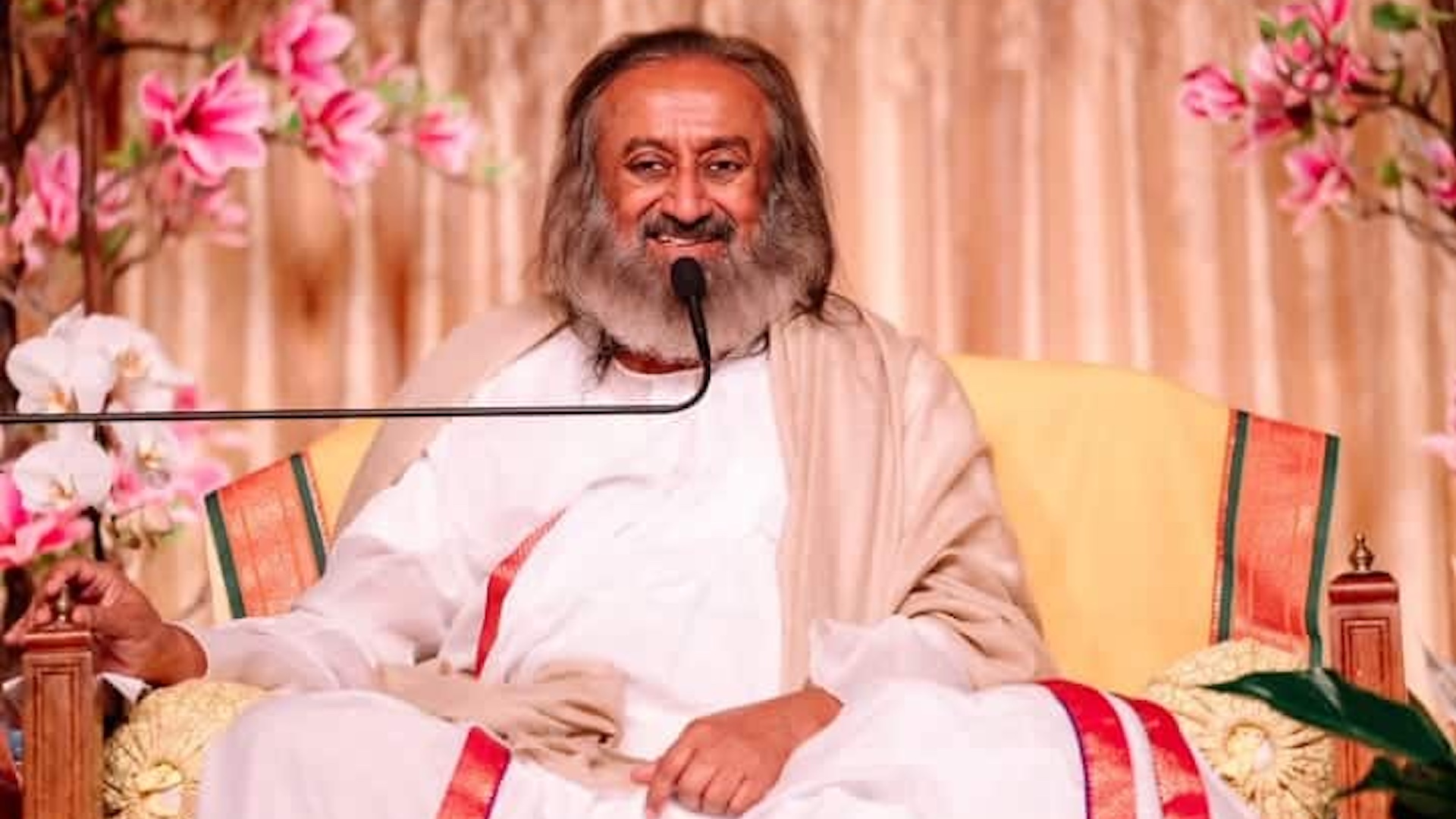
Embracing Our Cosmic Connection
In the profound words of Sri Sri Ravi Shankar, "You belong to the universe. The universe belongs to you." This statement encapsulates a deep truth about our interconnectedness with all that exists. It invites us to recognize that our individual existence is not separate from the vast cosmos but rather an integral part of it. Understanding this relationship can profoundly shift our perspective, fostering a sense of belonging and responsibility that transcends the self.
At its core, this quote speaks to the essence of reciprocity within the universe. It suggests that we are not mere inhabitants of the world but active participants in a grand tapestry of life. This realization can lead to a more harmonious existence, where we acknowledge our role in nurturing the environment and the relationships we cultivate. By embracing this dual belonging, we can cultivate a deeper appreciation for the beauty and complexity of life itself.
The image / the metaphor
The imagery in Sri Sri Ravi Shankar's quote evokes a sense of unity and mutual ownership. The verbs "belong" and "belongs" create a dynamic interplay between the individual and the cosmos, suggesting that our existence is both a gift and a responsibility. This duality invites us to explore the depths of our connection to the universe, where every star, every breath of wind, and every heartbeat resonates with our own being.
Diving deeper into the metaphor, we can see that belonging to the universe implies a relationship that is both nurturing and reciprocal. It is not merely about claiming ownership over the universe but recognizing that we are part of a larger whole. This interconnectedness calls us to engage with the world around us, to honor the life that flows through us and all beings. In this light, the universe becomes a living entity, and we, its conscious participants, are invited to contribute to its unfolding story.
In the speaker's tradition
Within the tradition of Sri Sri Ravi Shankar, the concepts of dharma and bhakti resonate deeply with the essence of belonging. Dharma, or one's duty, emphasizes the importance of living in harmony with the universe, while bhakti, or devotion, encourages a loving relationship with all of creation. These principles remind us that our existence is intertwined with the greater cosmic order, urging us to act with compassion and mindfulness.
In texts such as the Bhagavad Gita, the idea of interconnectedness is echoed through the teachings of selfless action and the recognition of the divine in all beings. The Gita speaks of the importance of understanding one's place in the universe and fulfilling one's responsibilities with love and dedication. This aligns beautifully with Ravi Shankar's assertion, as it reinforces the notion that our actions ripple through the cosmos, impacting not only ourselves but the entire fabric of existence.
Living the teaching
Consider a modern scenario where this teaching can be applied: a bustling city where individuals often feel isolated amidst the crowd. In such an environment, recognizing that "you belong to the universe" can transform one's experience. Instead of feeling like a mere observer, one can begin to see themselves as an integral part of the community, fostering connections with others and contributing positively to the collective well-being. This shift in perspective can lead to acts of kindness, collaboration, and a deeper sense of belonging.
In a more personal context, imagine navigating a difficult relationship. When we embrace the idea that "the universe belongs to you," we can approach conflicts with a sense of ownership and responsibility. This perspective encourages us to communicate openly, listen deeply, and seek understanding rather than division. By recognizing our shared humanity and the interconnectedness of our emotions, we can cultivate compassion and healing, transforming challenges into opportunities for growth.
A reflection
As we contemplate the profound message of Sri Sri Ravi Shankar's quote, we are invited to reflect on our own relationship with the universe. How do we perceive our place within this vast cosmos? Are we merely passive observers, or do we actively engage with the world around us? Consider this contemplative question: In what ways can you deepen your sense of belonging to the universe and acknowledge the universe's belonging to you?